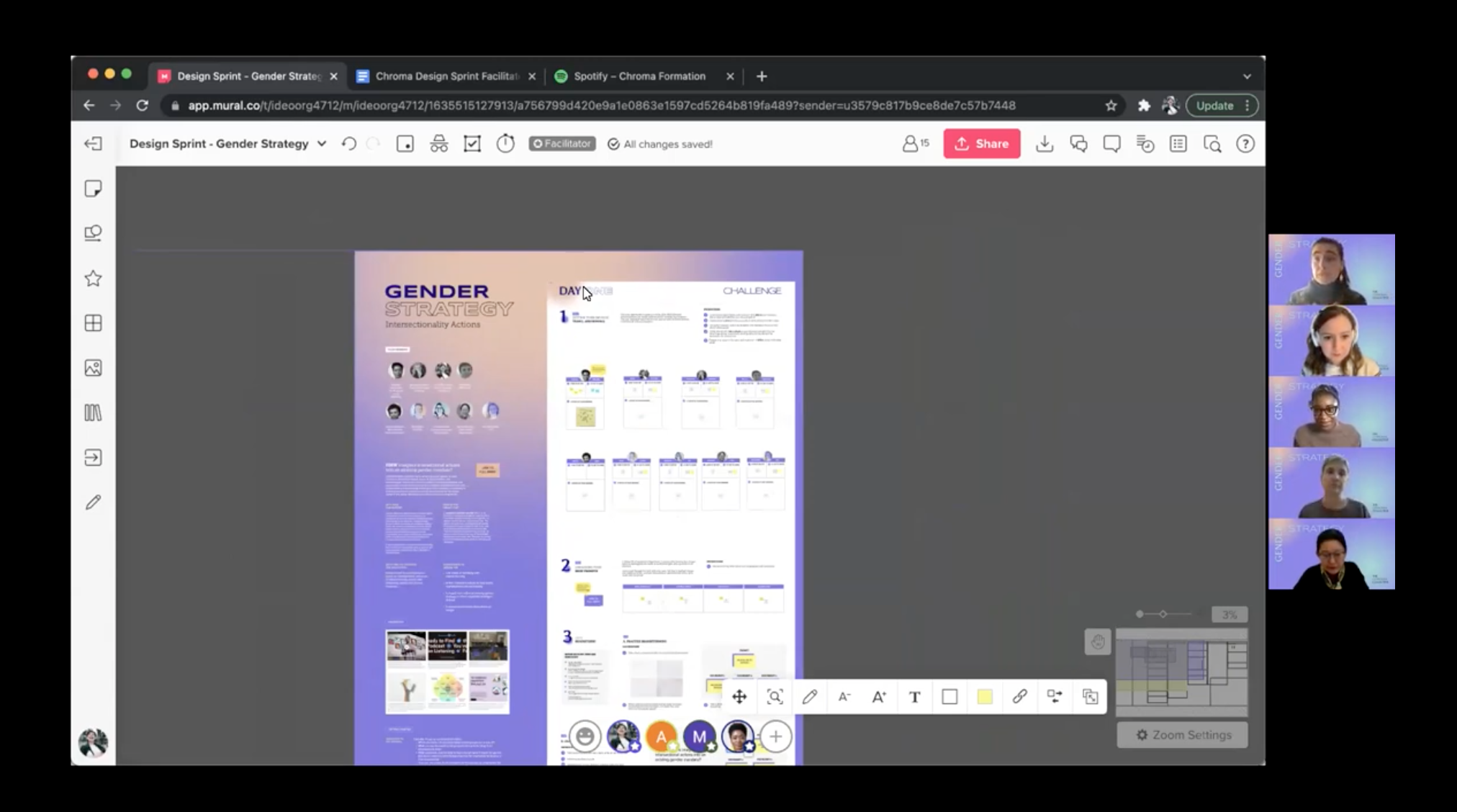
[GENDER STRATEGY]
How might we integrate intersectional actions into an existing gender mandate?
Intersectionality considers how a person, group of people, or social problem is affected by multiple layers of discriminations and disadvantages. It takes into account people’s overlapping identities and experiences in order to understand the complexity of prejudices they face. Understanding and proactively planning for this complexity is necessary to ensure programs are equally accessible and beneficial to the unique needs of any person they serve, including those most marginalized.
Why does this matter?
Gender teams are being asked to “up their game” moving from a binary view of gender to an intersectional one that considers intersecting and overlapping social identities. Intersectionality brings multiple new layers of complexity. Adding that to the workload of already stretched gender teams, and the varying levels of understanding among the leadership and program teams surrounding them, makes it difficult to understand what concrete actions should be prioritized to increase intersectionality in the work.
If sector teams better understood intersectionality, they would more adequately serve all people with their programs, regardless of their identities or circumstances.
Who is this meant for?
A program or portfolio director who is in the process of designing and getting ready to start a new WASH program is being encouraged by the gender team to take an intersectional lens. This person has only basic understanding of gender challenges and opportunities in their sector and very limited understanding of intersectionality. They are open to working with you, however, as long as it doesn’t get in the way of the program timeline and main objectives. They are not seeing how intersectionality would relate to their program objectives.
WHAT ARE YOU BUILDING? (The prototype)
Design a tool for sector/program teams to understand the relevance of intersectionality and to start integrating actions into current programs.
CONSTRAINTS TO DESIGN FORLow levels of familiarity with intersectionality
Action oriented solutions to help teams operationalize intersectionality
It should work within an existing gender strategy, or when no gender strategy is defined
It should have minimal implications on budget
Inspiration
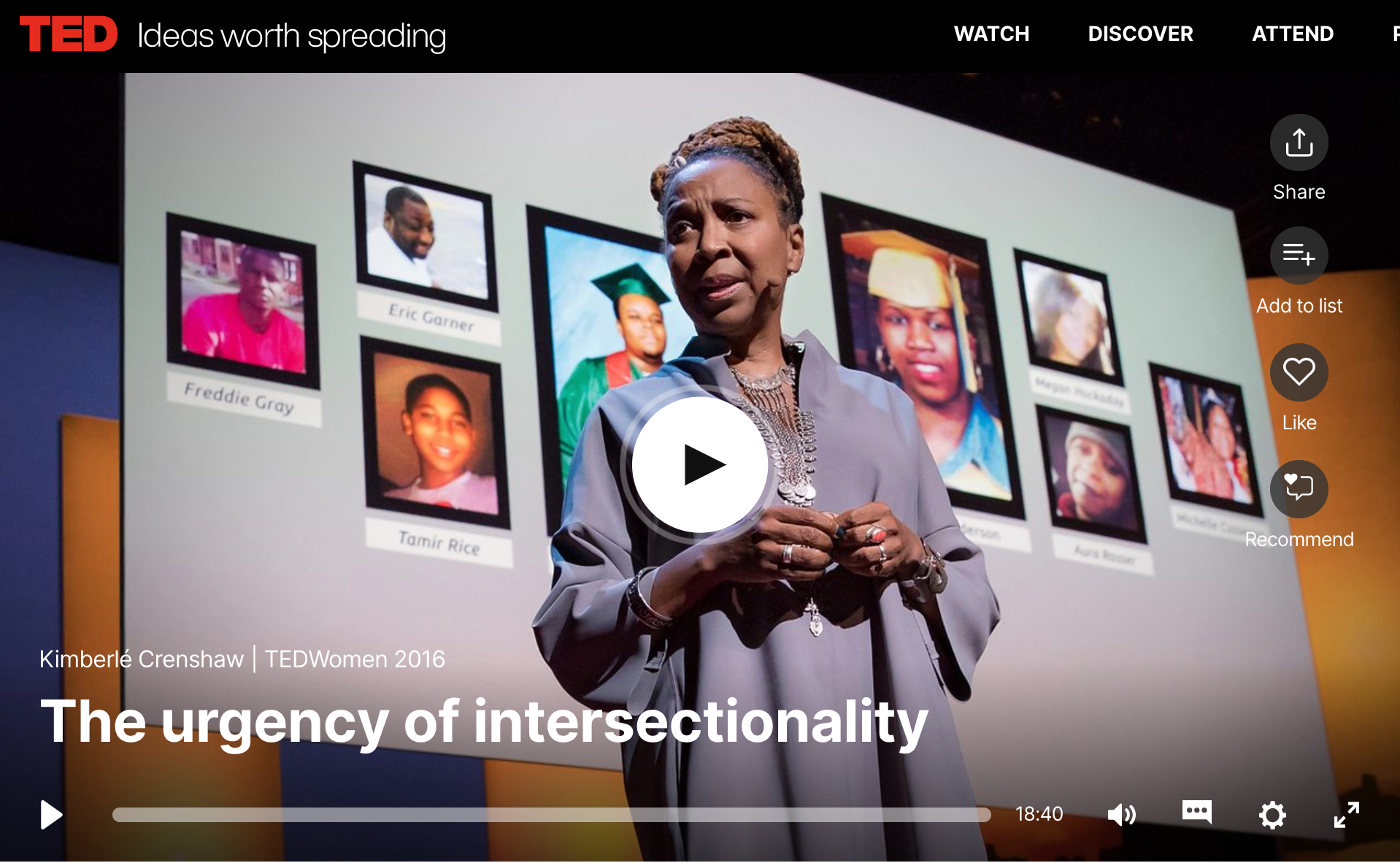
UNDERSTANDING INTERSECTIONALITY: In her TedTalk "the urgency of intersectionality" Kimberly Crenshaw explores the importance of looking boldly at the reality of race and gender bias to understand how the two can combine to create even more harm.

SPOTTING THE OPPORTUNITY Spotify developed a series of quizzes that help their users identify new things to listen to based on their personal preferences. This helps to pair a user’s needs and questions to content that exists on the platform.
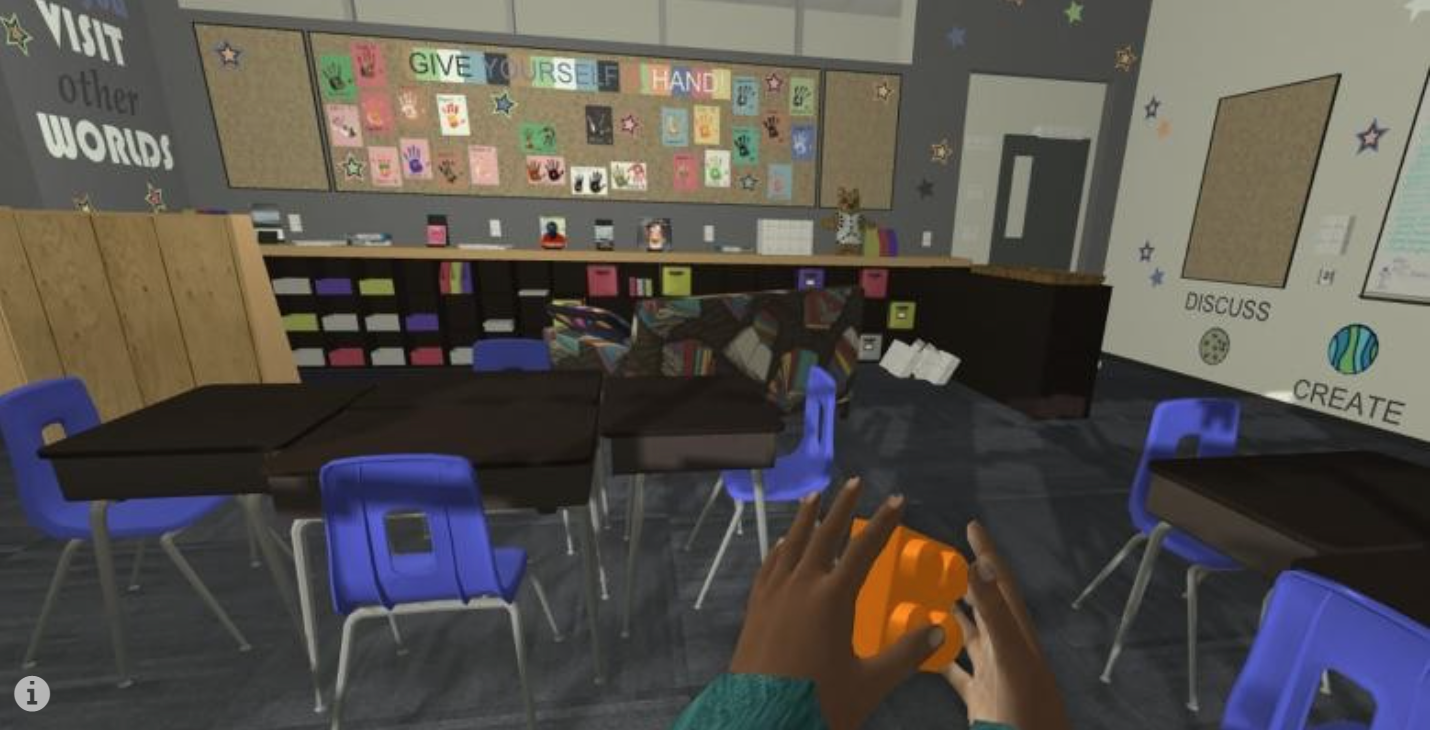
BUILDING EMPATHY - The reality of racism: A professor of Social Work at Columbia University developed a virtual reality film to building empathy for how people experience racism.

CATEGORIZING INTERSECTIONS - IDEO developed a deck cards that categorizes design methods into four core pillars that users can sort through when they need inspiration on methods for their project phase. The deck is used to gain a new perspective, inspire a team, turn a corner, or try a new approach.
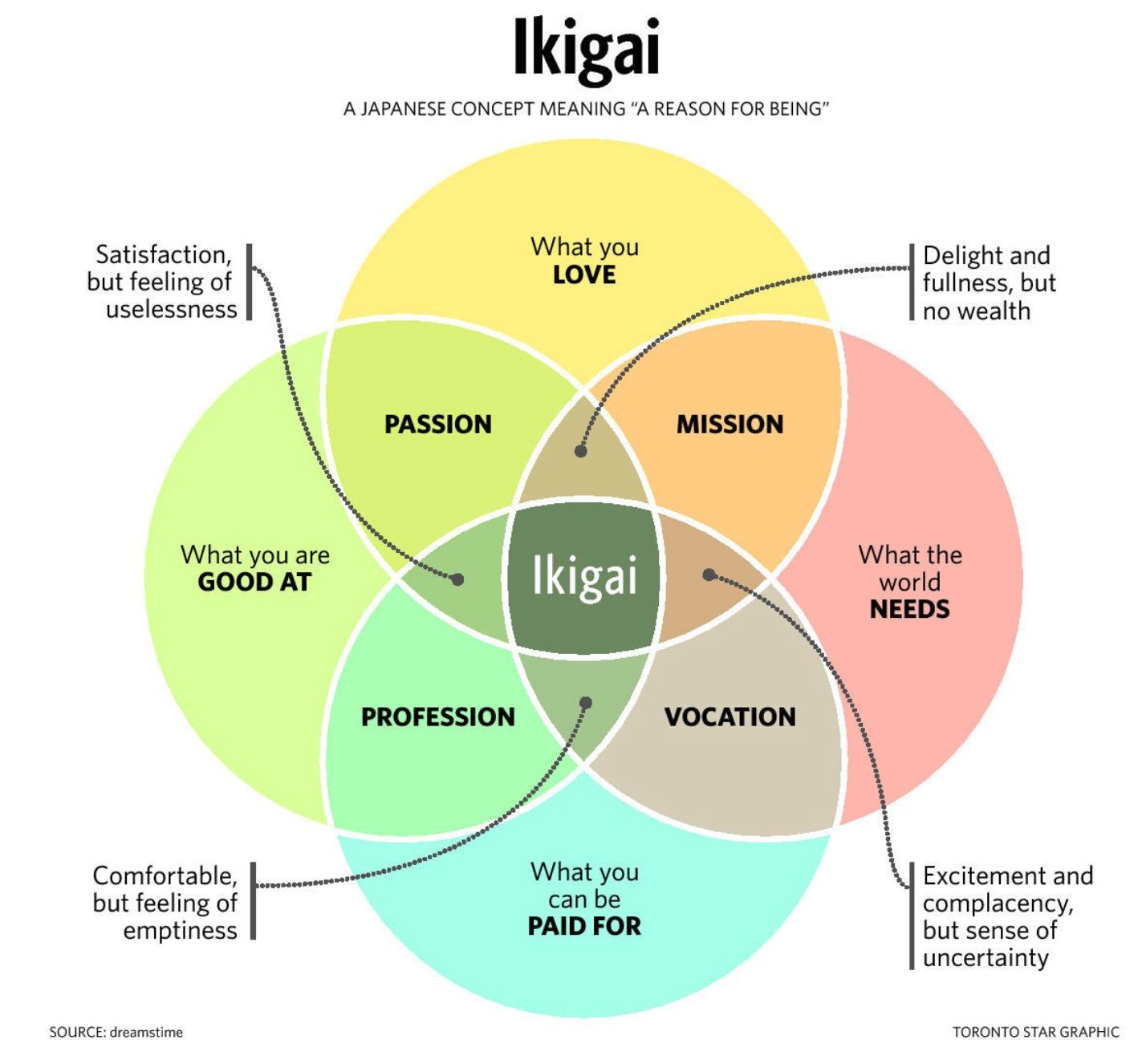
DESIGNING FOR INTERSECTIONS - The Japanese concept of Ikigai provides a framework for its users to design their life and careers for the multiple intersections that make up their purpose.
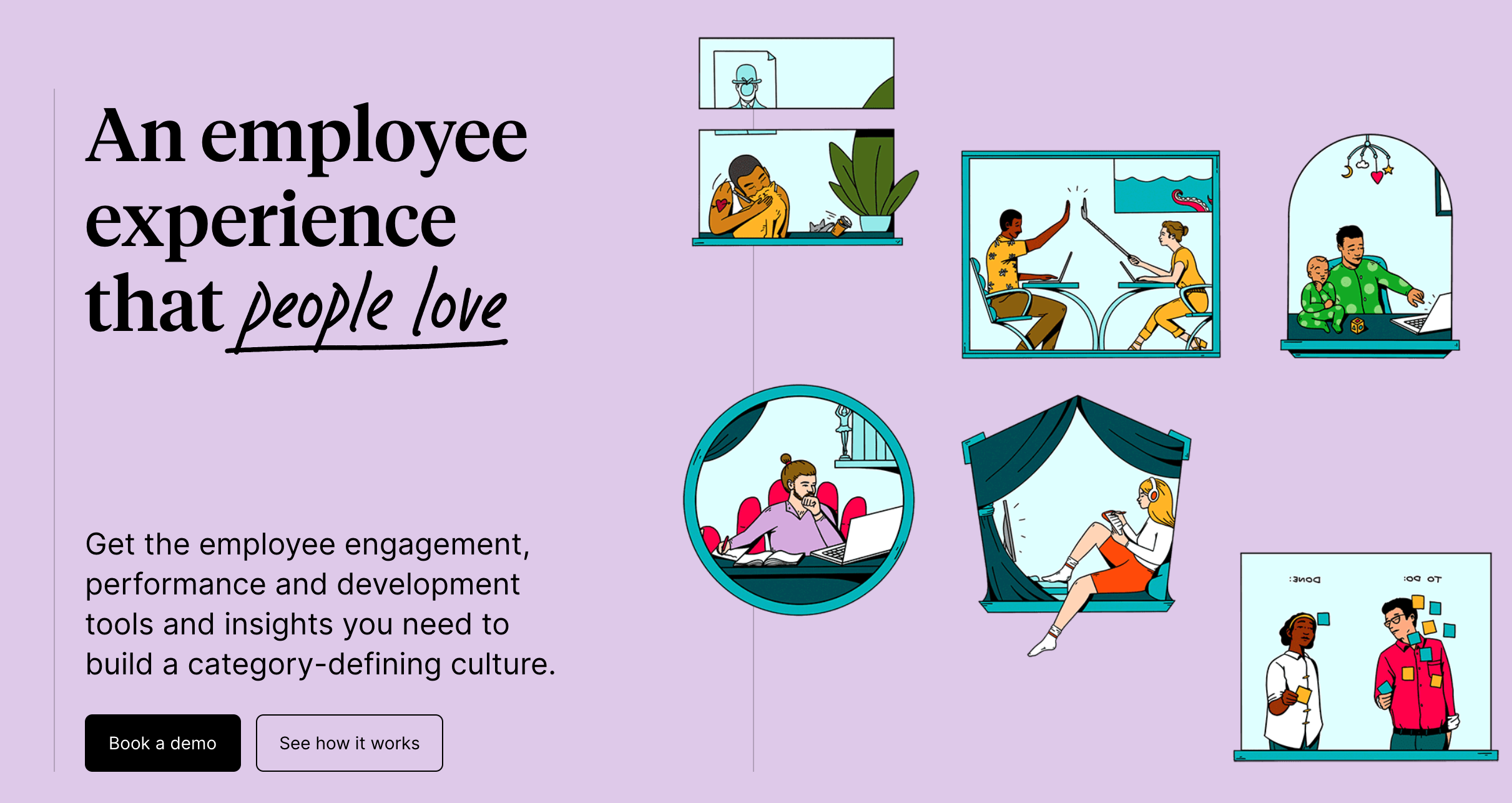
INTERSECTIONAL INSIGHTS AND EXPERIENCE - Culture amp is a tool that helps organizations analyze their employee surveys at different intersections to gain new insights on how employee intersections shape their experience.
Getting started…
Questions to get started
Consider these as you brainstorm ideas.
Which elements of intersectionality should people be aware of?
What are key moments in the program life cycle to bring in an intersectional lens?
What questions, functionality or tools would make it easier for gender and sector teams to identify opportunities for intersectional actions in their programing?
How can we create A-HA moments for this person to understand the value add of an intersectional approach?
Your prototype might look like
Some initial ideas to get you going…
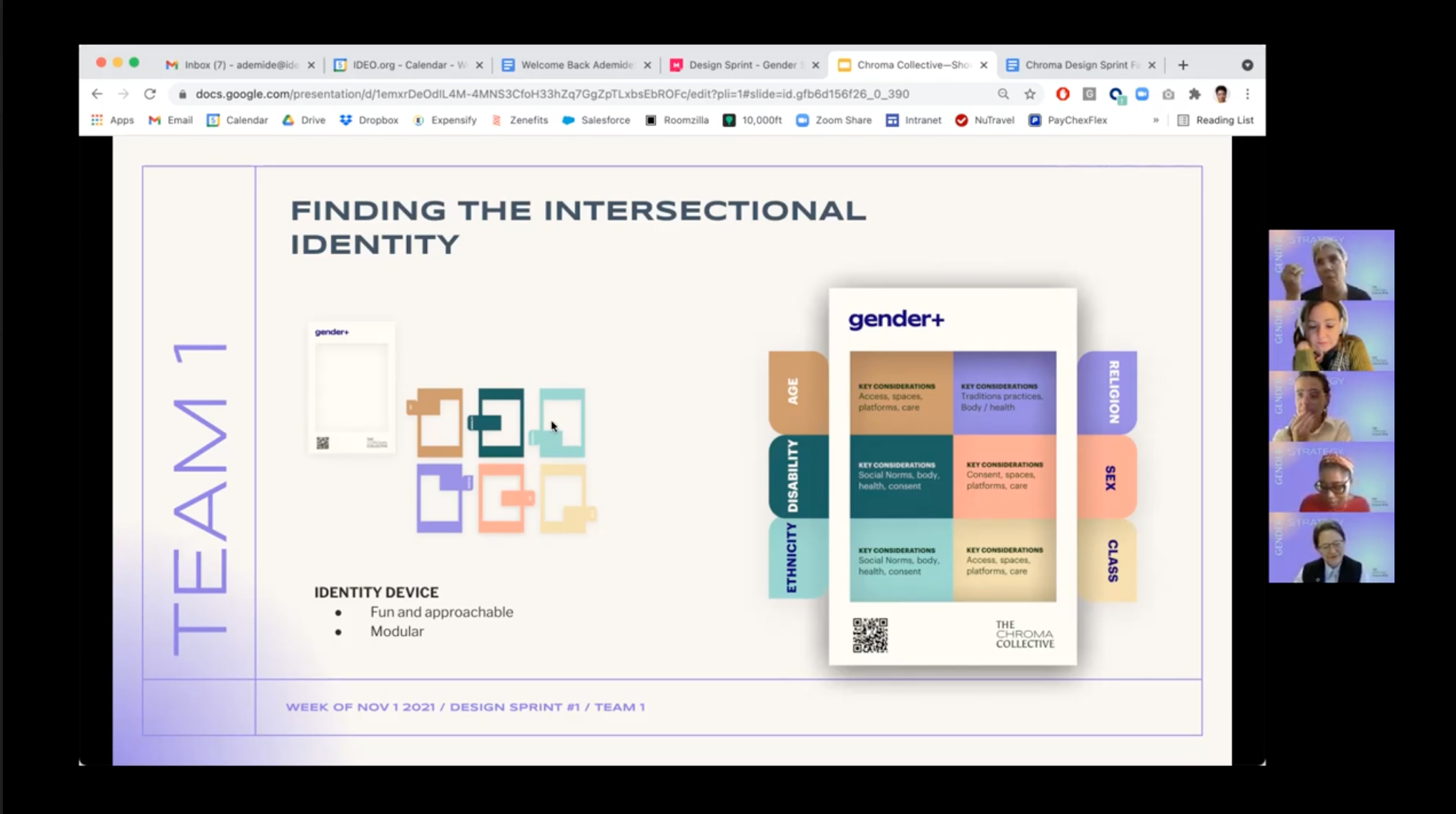
A reference sheet for what intersectionality means
A game to assess what intersectional levers apply to a program/project
A learning playlist including recommended readings, podcasts and people
A checklist with questions and data to consider at different moments
A framework that superimposes intersectionality onto existing gender frameworks